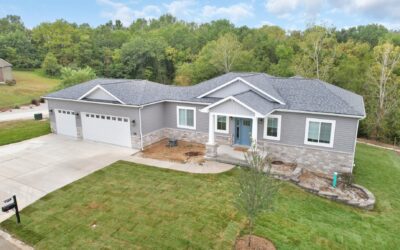
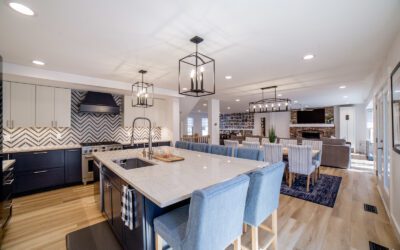
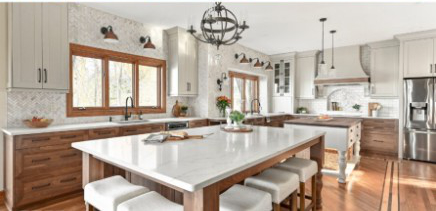
Creating your forever home is an exciting journey. While buying an existing house can be faster and sometimes cheaper up front, building a custom home brings level of personalization, efficiency, and long‑term value that’s hard to match—especially in a residential market like St. Louis. In this post, we’ll unpack the real-world benefits of custom home building and offer guidance on how to navigate the process successfully.
1. Tailored to Your Lifestyle
Design around your daily habits.
Every family is different. Some cook elaborate meals, some love indoor/outdoor entertaining, and others need a dedicated home office or hobby space. Custom building lets you prioritize your needs. Want to wake up to sunrise-lit cooking? Plan window placement and orientation. Need a spacious pantry or walk-in closet? They can be built exactly to your specs.
Choose your layout and flow.
Open floor plans are trending, but maybe you prefer defined rooms for acoustics or tradition. Custom builds empower you to decide—not remodel later. You can optimize traffic flow, sightlines, and relationships between spaces. No wasted hallways or awkward corners—just purposeful living.
Reflect your design style.
From modern farmhouse to transitional elegance, your home’s aesthetic is yours to create. Want exposed beams? A grand foyer? A blended exterior of stone, brick, and siding? Every detail—from casework to trim profiles—can be curated to suit the vision that inspires you.
2. Control Over Finishes & Quality
Select materials you love without compromise.
Mass-market developments may restrict your finish options. Custom building gives you authority—from flooring choices and countertop materials to lighting fixtures and paint colors. That flexibility means each decision reflects your taste—whether a durable artisan tile backsplash or eco-friendly bamboo flooring.
Work with trusted vendors.
Established builders like Eagle Eye Builder Group have strong subcontractor relationships. You can leverage that network to get premium craftsmanship and fair pricing. And if a certain material becomes unavailable or backordered, you’ll have visibility to pivot before it impacts your timeline.
Prioritize lasting performance.
Build for tomorrow, not just today. Better insulation, high-performance HVAC systems, and efficient windows can significantly reduce utility costs. Plus, implementing proper site drainage, sealing, and durable roofing improves the structure’s resilience—leading to better long-term value and fewer repairs down the road.
3. Energy Efficiency & Sustainability
Cut monthly costs, amplify comfort.
With modern construction, you can reduce heat loss, improve air quality, and enjoy consistent temperatures. A well-sealed, properly insulated home—besides lowering bills—helps reduce drafts and noise intrusion.
Choose green-minded upgrades.
If sustainability matters, custom building allows you to explore options like geothermal heating, rainwater harvesting, solar-ready roofs, and even electric vehicle hookups—all integrated seamlessly into the home. Planning these at build time is more affordable and efficient than retrofitting later.
Silver lining: resale appeal.
Energy-efficient features aren’t just cost-effective now—they boost future market appeal. As buyers grow more discerning, advanced insulation, smart thermostats, and home performance scores can enhance resale value.
4. Avoid Hidden Issues — Build with Confidence
Skip past surprises common in resale homes.
Older, existing houses can bring unknowns: outdated electrical systems, hidden structural issues, or plumbing that turns rogue. With a custom build, everything is new, documented, inspected, and built to current code.
Enjoy manufacturer warranties and materials liability.
New builds typically come with warranty coverage on roofing, appliances, HVAC, and sometimes structural components. That peace of mind helps you sleep easier, knowing the home is backed by professionals and warranties—not dated materials.
5. Streamlined Budgeting & Transparency
Know your investment before signing.
With a trusted builder using open-book pricing, you’ll receive detailed estimates that clearly outline where your dollars go. Want a gourmet kitchen or more square footage? Those features will be scoped and costed transparently—no hidden surprises.
Flexible options for upgrades.
Customize in phases. Maybe start with premium mechanical systems and standard finishes—then upgrade later to luxury lighting or flooring. A phased approach gives you control over both schedule and cost.
A smart, long-term investment.
While the initial price of a custom build may be higher than a starter home, it’s likely to hold its value—or appreciate—in ways that resale homes may not. Your you-designed layout, high-quality workmanship, and careful material selections all contribute to a home worth cherishing and reselling.
6. The Right Builder Makes a Difference
Choose someone with deep local experience.
St. Louis comes with its own climate, code requirements, and construction trends. A local builder knows soil conditions, weather patterns, drainage needs, and municipal processes—saving time and cost on surprises.
Communication is key.
Building a home takes months. Clear, regular updates—whether weekly check-ins, progress photos, or milestone meetings—keep expectations set and stress low.
Personal attention matters.
Builders who invest in your project—understanding family dynamics, future goals, and personal schedules—go beyond transactions. That caring translates into details you’ll appreciate every day.
7. Steps to a Smooth Custom Build
- Define your goals.
Discuss must-haves vs. nice-to-haves. Understand where you’re willing to compromise (e.g., size vs. finish quality). - Set your budget or target price.
Include allowances for landscaping, appliances, window treatments, and contingencies. Accurate budgeting early helps shape realistic expectations. - Select your team.
From builders and designers to inspectors and lenders, assemble a group that listens, respects your vision, and brings experience to the table. - Refine your design.
Walk through floor plans in 3D rendered views, noting how spaces connect and feel. Consider furniture layout, natural light, and doorway locations. - Pick your finishes.
Create sample boards or visit showrooms. You’ll want options for flooring, cabinetry, counter-tops, plumbing fixtures, hardware, and tile. - Commence construction.
Site prep, foundation, framing, mechanical installation, and finishes—each phase builds on the last. Expect a road map from your builder, with expected timeframes for every stage. - Walk-throughs & punch lists.
Before final payment, do careful inspections—checking aesthetics, operation, and performance. List minor adjustments and schedule them in. - Move in and monitor.
New homes settle. Keep track of slight cracks, squeaks, or minor leaks. Many builders include a 12-month warranty window—use it.
8. Tips to Make It Easier
- Have a vision folder. Use Pinterest, Houzz, and photos to show your style and help your team visualize your dream.
- Keep an inspiration binder. Create a folder of materials and fixtures you like—colors, patterns, hardware styles.
- Trust your builder’s counsel. Experienced builders often recommend tweaks you may not have considered—from structural enhancements to window placement.
- Plan for lengthy lead times. High-end appliances or custom cabinetry often need weeks or months—order early.
- Budget 10% for contingencies. Renovation-style surprises may not arise—but if they do, you’ll be ready.
9. Homeowner Spotlight: A St. Louis Custom Build Story
Meet the Johnson family (pseudonym): in 2019, they wanted an open-concept kitchen and living area that flowed into a screened porch overlooking their wooded lot. With personalized architecture, they implemented tall windows that catch morning light, a chef-ready kitchen peninsula, and a mudroom with built-ins. The result? A functional space that fits their love for cooking, nature, and family gatherings.
They saved money on heating with spray foam insulation and added built-in speakers and EV charging. And after their final walkthrough, they remarked: “It’s everything we asked for—no compromises.”
10. Final Thoughts
Building a custom home in the St. Louis area gives you control, confidence, and connection to your living space. You’re not just buying a house—you’re building the place where your family will grow, gather, and make memories. With thoughtfulness, clear goals, and a strong partnership with an experienced builder, you can have a home that’s truly tailor-made.
Proudly serving St. Louis and surrounding counties with quality residential construction services.