If you’re building a home today, you’re not just building for 2025. You’re building for the next 20, 30, even 50 years. That means the decisions you make now — about design, technology, materials, and sustainability — will shape how your home serves you well into the future.
At Eagle Eye Builder Group, we believe in looking ahead. Our clients expect more than just a beautiful home; they want spaces that will stand the test of time, adapt to changing needs, and hold their value. That’s why we keep a close eye on the trends that are set to define the next decade in residential construction.
Here are seven key trends — some already emerging, others just on the horizon — that you should know about before you break ground.
Trend 1: Smart Home Integration as Standard
A decade ago, “smart home” meant a thermostat you could control from your phone. Today, it means integrated lighting, climate control, security, appliances, and even water systems — all connected through a central hub.
Why it matters:
The next generation of homeowners will expect these features the way we expect indoor plumbing and Wi-Fi. Building them in from the start is far more efficient than retrofitting later.
Practical applications:
- Pre-wiring for whole-home automation systems
- Smart door locks and video doorbells
- Energy-optimizing thermostats and lighting
- Leak detectors linked to automatic shutoff valves
Eagle Eye Insight: We’re now advising all new-build clients to pre-wire for future tech upgrades — even if they don’t plan to install all smart devices immediately. This ensures your home is “future-proof” without costly renovations.
Trend 2: Net Zero Energy Homes
With energy costs climbing and climate concerns growing, “net zero” is more than a buzzword — it’s the future of residential construction. A net zero home produces as much energy as it consumes, typically through a combination of solar panels, efficient insulation, and advanced HVAC systems.
Why it matters:
Not only does this reduce your carbon footprint, it can drastically cut utility bills. Many states also offer incentives for renewable energy installations.
Key features:
- Photovoltaic solar arrays with battery storage
- Superior insulation and triple-pane windows
- Heat recovery ventilation systems
- Passive solar design to maximize natural heating/cooling
Eagle Eye Insight: We’ve partnered with renewable energy consultants to integrate solar-ready wiring and roof designs into all our custom builds.
Trend 3: Modular and Prefabricated Components
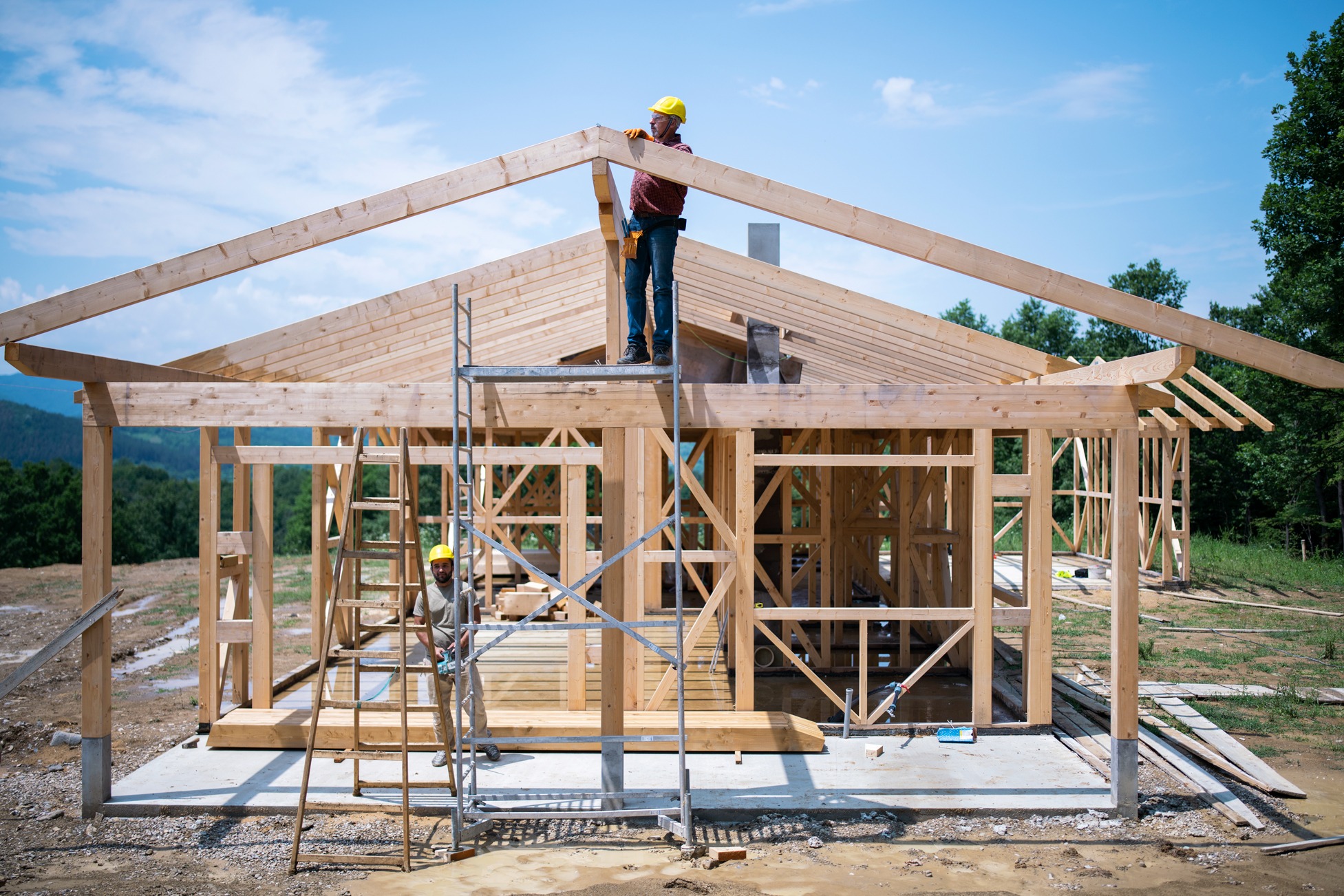
Prefab construction used to have a bad reputation — think cookie-cutter designs and low-quality materials. That’s changing fast. Modern modular components can match (or exceed) traditional builds in quality while significantly reducing timelines.
Why it matters:
Prefab can shorten construction schedules by weeks or months, reduce waste, and improve cost predictability.
Examples:
- Pre-framed wall panels
- Factory-built trusses
- Bathroom and kitchen “pods” delivered complete
Eagle Eye Insight: For some projects, using prefabricated structural elements has allowed us to finish framing in days instead of weeks — without sacrificing quality.
Trend 4: Universal Design for All Ages and Abilities
Homes that are comfortable, safe, and accessible for everyone — regardless of age or ability — are becoming a priority. This isn’t just about aging in place; it’s about flexibility.
Why it matters:
A home designed with universal access is more welcoming to guests, safer for families, and more valuable on the resale market.
Design features:
- Zero-step entries
- Wider doorways and hallways
- Lever-style door handles
- First-floor primary suites
Eagle Eye Insight: We’ve found that even younger clients are requesting features like walk-in showers without curbs and open floor plans that can adapt to changing needs over time.
Trend 5: The Healthy Home Movement
Health-conscious living is moving beyond diet and exercise — it’s now part of home design. The “healthy home” trend focuses on indoor air quality, non-toxic materials, and natural light.
Why it matters:
The average American spends over 90% of their life indoors. That means your home environment has a major impact on your health.
Healthy home essentials:
- Low-VOC paints and finishes
- Air filtration and purification systems
- Materials free from formaldehyde and harmful chemicals
- Maximized daylighting with skylights and large windows
Eagle Eye Insight: Clients with young children or allergies are especially interested in these features, and they’re willing to invest in them.
Trend 6: Expanding Outdoor Living Spaces
The pandemic accelerated our love for outdoor living, and that demand isn’t going anywhere. In fact, the definition of “outdoor space” is expanding to include fully functional extensions of the home.
Why it matters:
Outdoor spaces add usable square footage without the cost of a full room addition.
Examples:
- Covered patios with outdoor kitchens
- Fire pits and seating areas
- Retractable screens and all-weather furniture
- Heated decks for year-round use
Eagle Eye Insight: We’re integrating plumbing and electrical into outdoor spaces during initial construction, so clients can easily add features like built-in grills or hot tubs later.
Trend 7: Customizable, Flexible Spaces
The traditional “one room, one purpose” approach is fading. Homeowners now want spaces that can evolve — a home office that doubles as a guest room, or a basement that shifts from playroom to gym.
Why it matters:
Flexibility means your home adapts as your life changes, saving you from costly remodels.
Design ideas:
- Movable wall systems
- Multi-use furniture
- Rough-ins for future bathrooms or kitchens
- Unfinished bonus rooms for later customization
Eagle Eye Insight: We’ve built “future rooms” into several recent homes — spaces framed and wired but left unfinished until the client decides how to use them.
Pulling It All Together
You don’t need to incorporate every one of these trends into your home — but thinking about the future now can save you money, increase your comfort, and boost your resale value.
Eagle Eye Builder Group’s approach:
- Listen first: We learn your needs, then match them with relevant innovations.
- Design smart: We balance trend adoption with timeless design.
- Build for tomorrow: Every home we construct is designed to be as functional in 20 years as it is on day one.
The homes we’re building now aren’t just for today’s lifestyles — they’re for the next chapter of how we live.