Most people expect mistakes in construction to be expensive. And they can be. But sometimes, the right kind of “mistake” — spotted at the right time — can save an entire project from spiraling into disaster.
At Eagle Eye Builder Group, we’ve built hundreds of homes and commercial spaces. We’ve seen everything from textbook-perfect builds to moments where the unexpected nearly derailed a dream. This is the true story of how catching one $1,000 problem early saved a half-million-dollar custom home… and taught everyone involved why attention to detail is priceless.
Chapter 1: The Dream
It started like so many of our projects do — with excitement, sketches, and coffee-fueled planning sessions.
Our clients, Mark and Sarah, were building their “forever home” on a beautiful lot just outside of St. Louis. They had spent years saving, planning, and refining their ideas.
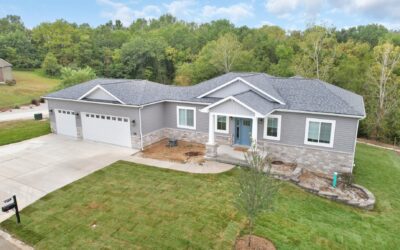
The home they envisioned was a perfect mix of modern farmhouse and subtle luxury:
- A vaulted great room with exposed beams
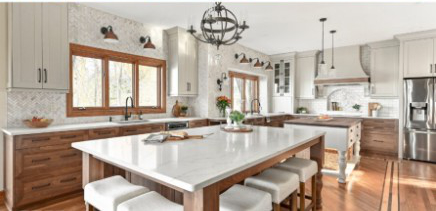
- An open kitchen with a walk-in pantry
- A wraparound porch to watch the sunset
- A finished basement with a guest suite and game room
They had the land. They had the budget. And they had us.
The first months of planning went smoothly — designs were finalized, permits secured, and materials ordered. By late spring, we were ready to break ground.
Chapter 2: The Red Flag
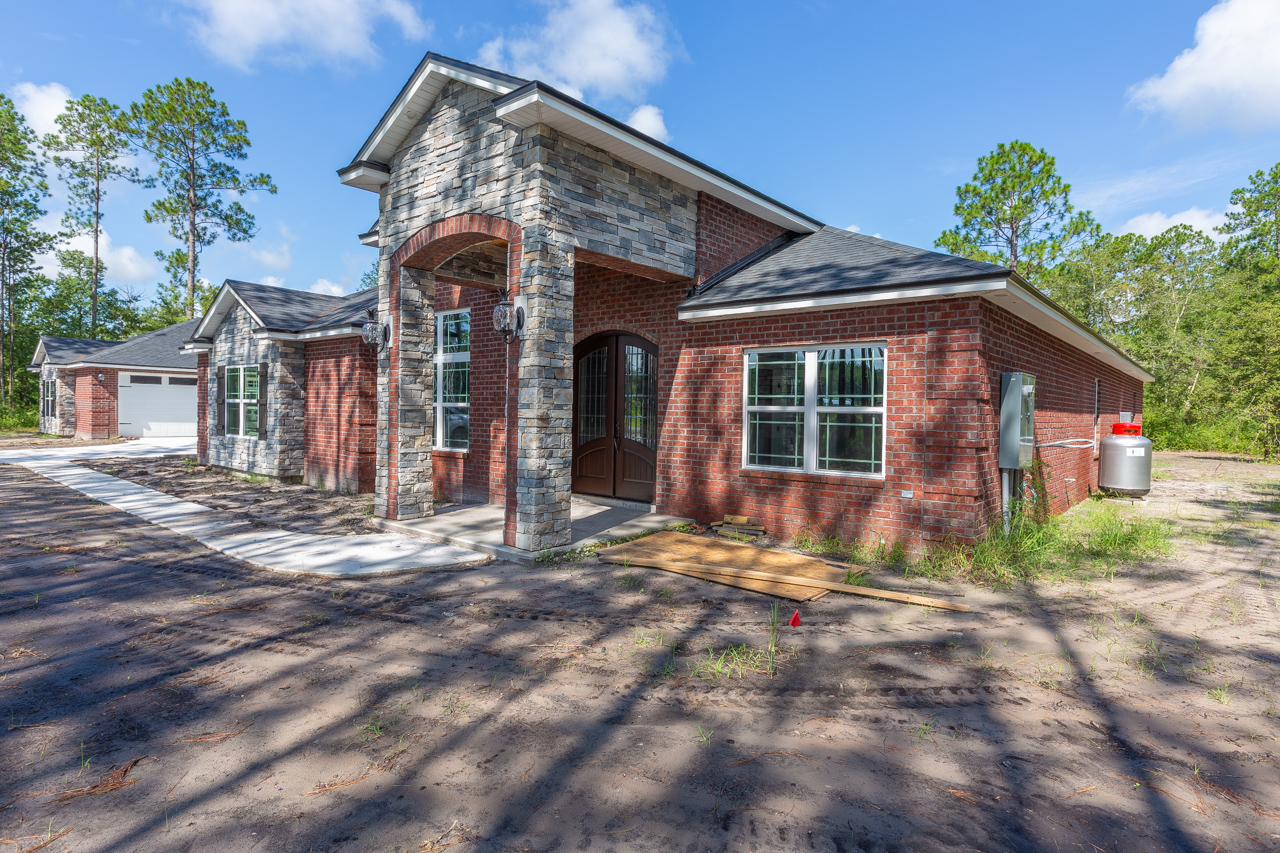
The foundation crew had been on site for three days when I stopped by for a routine inspection.
Everything looked good at first glance. The excavation was neat, the forms were set, and the rebar was being laid. But as I walked the perimeter, something didn’t sit right.
The northeast corner — the one that would eventually hold the kitchen and dining area — seemed… off. Only by a few inches, but in construction, a few inches can be the difference between perfection and a nightmare.
I asked the foreman to pull out the plans. We measured. Checked again. And then it hit us:
The foundation outline was shifted about five inches toward the property line. That might not sound like much, but it would have placed part of the structure outside the setback requirements — a violation that could have forced us to halt construction, re-engineer the foundation, and potentially face legal issues with the county.
Chapter 3: The Cost of Doing Nothing
Let’s play out the “what if” scenario for a second.
If we had poured the foundation as it was:
- The inspector would have flagged the violation.
- The county could have required us to tear out the section and rebuild it.
- Mark and Sarah would have been looking at a 6–8 week delay, plus tens of thousands of dollars in extra costs.
- The rest of the build schedule would have been thrown off, likely pushing completion into the dead of winter — which comes with its own challenges for finishing work.
The total? We estimated about $50,000 in direct costs and untold amounts in stress.
Chapter 4: The Fix
We stopped the crew immediately and called in the surveyor. Within 24 hours, we had a corrected foundation layout that aligned perfectly with the site plan. Adjusting the forms, rebar, and footings cost just over $1,000 in extra labor and materials.
Was it an inconvenience? Sure.
Was it a catastrophe? Not even close.
By catching the problem early, we avoided the domino effect that often follows small errors in construction.
Chapter 5: The Human Side
Mark and Sarah were understandably nervous when we called them to the site. In their minds, “we need to talk” sounded like the start of a bad-news conversation.
But here’s the thing:
We didn’t sugarcoat the situation, and we didn’t overdramatize it. We explained what happened, showed them the measurements, and laid out exactly how we would fix it.
Their relief was palpable. In Sarah’s words:
“We’ve heard horror stories about builders hiding mistakes until it’s too late. The fact that you caught this and told us right away is why we know we chose the right team.”
Chapter 6: The Ripple Effect
The foundation adjustment delayed us by just two days — a rounding error in the grand scheme of a 10-month build. But the trust it built with our clients? That was priceless.
From that point forward, Mark and Sarah felt comfortable asking questions, making changes, and sharing concerns without hesitation. They knew we had their back.
And on our end, the incident became a case study in why site checks are never “just routine”. Every pass around a job site is an opportunity to catch something that could become a much bigger issue later.
Chapter 7: Lessons Learned for Homeowners
You might not be walking the site with a tape measure in hand, but there are still ways to protect yourself from costly oversights:
- Hire a builder who welcomes inspections — both theirs and yours.
- Ask about quality control procedures. How often do they check work against plans?
- Request milestone updates with photos and notes.
- Be present for major steps — foundation pour, framing completion, and pre-drywall inspection.
Remember: Good builders don’t hide their process. They invite you into it.
Chapter 8: The Finished Home
By the end of winter, Mark and Sarah’s dream home stood exactly where it should, perfectly aligned and ready to welcome them.
The vaulted beams soared over their living room, the wraparound porch caught the last rays of the day, and the basement was already hosting friendly pool tournaments.
When I stopped by six months later, they’d just finished their first holiday season there. And Sarah, smiling as she handed me a coffee, said:
“Every time I walk into the kitchen, I think about how close we came to not having it exactly the way we wanted — and how glad I am you noticed.”
Why This Matters for Every Build
Construction is a game of details. And the difference between a good builder and a great one is how they handle those details when no one is looking.
At Eagle Eye Builder Group, we believe:
- A $1,000 fix now beats a $50,000 problem later.
- Transparency builds trust — and trust builds great homes.
- The real measure of quality is in the parts you don’t see.
Because in the end, your forever home isn’t just about beautiful finishes. It’s about the confidence that every inch — from the foundation up — was built with care.